- Email : Petalsrehabilitation@gmail.com
- Phone : +91 89218 41982
A sort of occupational therapy called sensory integration therapy (SIT) is intended to assist individuals, particularly children, who struggle to interpret and react to sensory Integration Therapy Courses data from their surroundings and bodies.
The senses—touch, sound, sight, movement, balance, body position, etc.—provide input to the brain, which typically combines all of this information into fluid, coordinated reactions. Everyday encounters might feel overpowering, perplexing, or hardly perceptible when this process is disturbed, a condition known as sensory Integration processing disorder (SPD) or sensory integration Therapy Courses dysfunction.
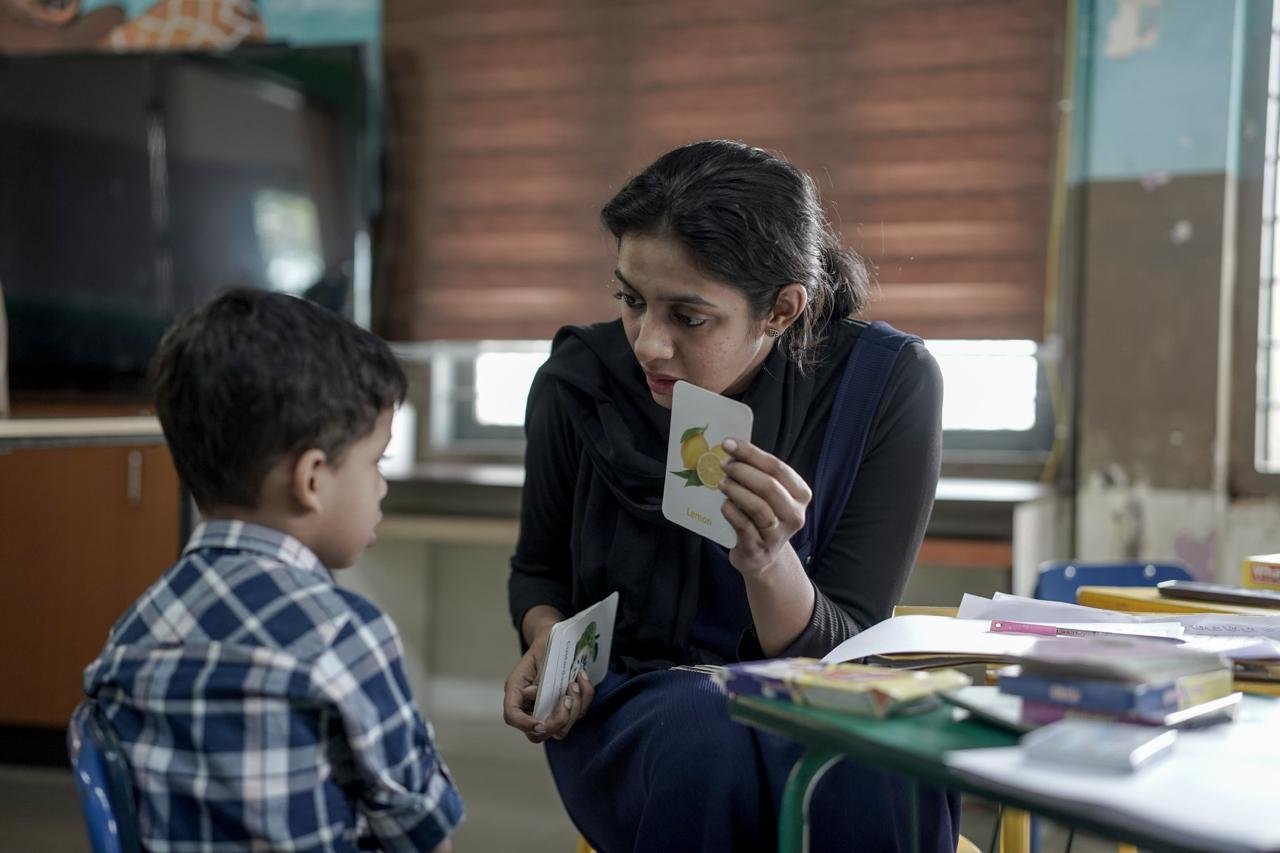
It has been hypothesized that sensory Integration Therapy processing deficiencies in children with ASDs lead to challenges that impact behavior and life skills. Some kids may be either hypersensitive or hyposensitive to environmental stimuli as a result. For example, harsh fluorescent lights that annoy others may be captivating to some children with ASDs, whereas loud music may cause severe discomfort.
Children with deficiencies in sensory Integration processing may struggle with balance, motor skills, and hand-eye coordination.
The goal of sensory integration therapy courses, which was created in the 1970s by occupational therapist A. Jean Ayres, is to assist kids who struggle with integrating sensory information, especially those who may have ASDs. Play-based therapy sessions may involve the use of slides, trampolines, and swings.
Additionally, therapies including deep pressure, brushing, weighted vests, and swinging are used in sensory integration therapy courses. These treatments seem to be effective to soothe a nervous child on occasion. Additionally, it is thought that sensory integration therapy courses raises a child’s tolerance for enduring sensory-rich settings, lessens the disruption of transitions, and reinforces favorable behaviors.
The goal of sensory integration treatment is to improve a person’s ability to manage various sensory inputs, such as touch, sound, and movement. It is often provided as a program that an occupational therapist has customized to meet each person’s needs.
People who struggle with comprehending or processing sensory information can benefit from sensory integration therapy courses. Children with autism may fall under this category.
Children can learn to use all of their senses—touch, smell, taste, sight, hearing, and senses associated with body movement—together with the use of sensory integration therapy.
Children’s challenging and repeated behaviors are said to improve as they are able to employ all of their senses simultaneously. This is due to the fact that challenges with sensory processing may be linked to challenging and repetitive behavior.
Additionally, therapists may recommend sensory integration therapy for other aspects of autism, such as play and emotional control issues.
The majority of people experience the world in a way that simultaneously excites many senses. When we read a book, for instance, we can feel the book in our hands, see the text on the page, and hear the pages turning. If the book is old or dusty, we could even be able to smell it. To gain a comprehensive awareness of our surroundings, we integrate the diverse sensory data that we are exposed to.
Children with autism may perceive sensory information differently than others and may become overwhelmed by excessive sensory stimulation. The goal of sensory integration therapy courses is to teach kids how to better interpret and use sensory information through physical activities and exercises.
An evaluation of the kid is the first step in sensory integration therapy. This evaluation is often carried out by an occupational therapist. After that, the therapist designs and implements a program that incorporates exercises to elicit the child’s sensory reactions, particularly those related to balance and movement. Swinging, bouncing, and climbing are a few examples of this.
Sensory integration therapy course is intended to be a component of larger programs that also incorporate behavioral, educational, and communicative therapies
This method can be applied by occupational therapists who have received training in sensory integration Therapy treatment.
Children who benefit from sensory integration therapy Courses include those who:
Sensory Integration Therapy can assist children enhance their everyday functioning and quality of life.
If you are looking for professional Sensory Integration Therapy Courses services, our team is here to help. We provide personalized Sensory Integration Therapy programs designed to meet your child’s unique needs and support long-term development.